National Eye Health Week, 20th to 26th September

YOUR VISION MATTERS

National Eye Health Week (NEHW) takes place from 20th to 26th September 2021 with the aim of promoting good eye health and the need for regular eye exams for all. Over the course of the week, blogs will fill this page with different ways to help your eye health and emphasising the importance of looking after your eyes.

TOP 10 TIPS

Dehydration is when more water leaves the body than what enters. When the body is dehydrated, it stops producing tears. Without proper lubrication, this can lead to dry eyes, eye strain and vision problems. Tears are essential for clear comfortable vision as they help wash away air borne particles that can accumulate in the eye and remove anything that could cause eye infections. If your eyes still feel dry, you may need eye drops – come into practice to talk it through with us.

Book now

THE IMPORTANCE
OF EYE EXAMS

No matter if you think your vision has changed since your last eye exam, if it has been more than 2 years, we recommend you book yourself in for one. Especially if your job is visually engaging, examining your eyes should be a little more frequent.

BOOK NOW

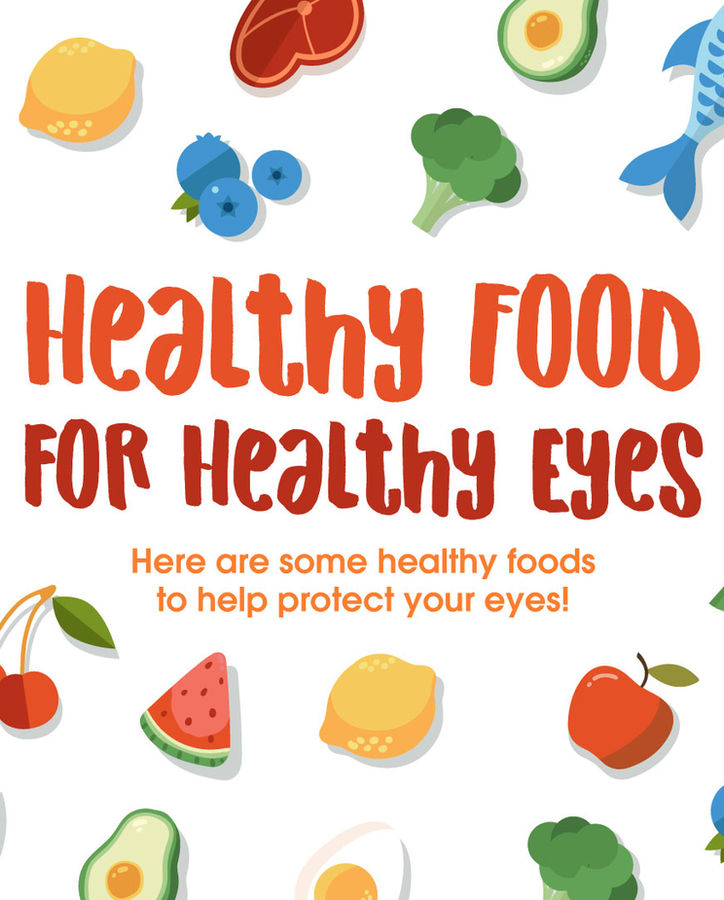
HEALTHY FOODS
FOR HEALTHY EYES

We all know eating healthy helps our bodies function effectively, but did you know what you eat can directly affect your eyesight too? Eating a well-balanced diet means having the right amount of each food group over several days. We aren't expecting you to hit all these food groups each day, but try over a week-long period.

Book now

GETTING ACTIVE

Keeping yourself healthy through exercise is one of the key factors of staying healthy. Being physically active can also benefits your eye health too.

BOOK NOW

FAMILY EYE HEALTH

Knowing more about your family is something we’ve all been curious about but knowing about their eye health history can help you combat any problems early on. Eye conditions such as glaucoma and age-related macular degeneration can be hereditary.

Book now

A GOOD NIGHTS SLEEP

Getting a good night’s sleep is imperative for our body’s function, especially our eyesight. A lack of sleep can lead to swollen, red or glazed eyes. If you have insufficient or poor quality of sleep, your eyes are more likely to become dry. The symptoms of this are blurred vision, light sensitivity and ocular burning.

BOOK NOW

TOP 10 TIPS

1. Stay hydrated

Dehydration is when more water leaves the body than what enters. When the body is dehydrated, it stops producing tears. Without proper lubrication, this can lead to dry eyes, eye strain and vision problems. Tears are essential for clear comfortable vision as they help wash away air borne particles that can accumulate in the eye and remove anything that could cause eye infections. If your eyes still feel dry, you may need eye drops – come into practice to talk it through with us.

2. Being active

The recommended amount of physical activity is 75 minutes of vigorous exercise or 150 minutes of moderate intensity per week. This can be broken up throughout the week to be more manageable against your time. The intensity/type of exercise should be appropriate for your level of fitness – don't overexert yourself!

3. Get lots of fresh air

This can be done as you're being physically active. But if you don't fancy working out one day, getting a breath of fresh air is still important! It not only helps your lungs, heart and vessels, but the corneas of your eyes also obtain oxygen directly from the air. Being outside gives your body the vitamin D needed to strengthen your immune system and support bone development in children.

4. Eating healthy

5. Get your eyes tested

Getting regular eye exams is the best way to maintain your eye health, as it can help detect any potential eye problems that may affect you in the long term. Early detection is the best prevention.

6. Research your family's eye health

Some eye diseases such as glaucoma and macular degeneration can be hereditary. By knowing about your family's eye health history, it gives you the information to tell experts like us to look for any specific signs when carrying out your eye examinations.

7. Give up smoking

Smoking cigarettes isn’t good for your overall health - including your eyes. Various components of cigarette smoke can lead to acute constriction of the ciliary (small) arteries which can limit blood flow to the eye. Research has shown that smokers have an increased risk of developing age-related macular degeneration, Graves’ disease, age-related cataract, optic neuropathy and more. To improve your eye health, try reducing your smoking intake.


8. Protect your eyes from UV

Wearing sunglasses shouldn’t just be a summer thing. The UV rays from the sun can even cause damage in overcast weather. UV light can age all the structures in the eye and too much exposure can increase the possibility of contracting corneal damage, cataracts and macular degeneration. Wearing sunglasses with 100% UV protection and wearing sun cream with high SPF is a good way of keeping your eyes and your skin safe.

9. Getting a good amount of sleep

The recommended amount of sleep for an adult is between 6 and 9 per night (NHS).  A good night’s sleep helps replenish the supply of natural tears that keep your eyes hydrated. A lack of sleep can put strain on your eyes and possibly burst blood vessels which gives them a bloodshot appearance and can sting.

10. Reduce screen time

In recent years, particularly in the last two when more people stayed indoors, digital eye strain problems have increased. If you find yourself looking at a screen often, whether it be for work or just recreation, take frequent breaks.

Following the 20/20/20 rule is a useful way to combat this. Every 20 minutes look at something 20 feet away for 20 seconds, which will help to rest the muscles in your eyes. If you find your vision has declined or your eyes hurt for a prolonged time after using digital screens, call us and we'll book you in for a comprehensive eye examination.

If you want any more information about any of the tips raised in this list, keep your eyes peeled on our social media and website for more topics to come throughout the week.


References:

NHS. (2021). How to get to sleep. Retrieved from NHS: https://www.nhs.uk/live-well/sleep-and-tiredness/how-to-get-to-sleep/

the IMPORTANCE
OF EYE EXAMs

No matter if you think your vision has changed since your last eye exam, if it has been more than 2 years, we recommend you book yourself in for one. Especially if your job is visually engaging, examining your eyes should be a little more frequent.

If you have any health conditions such as diabetes, hypertension (high blood pressure) or autoimmune conditions, for example, you’ll need to have an eye exam more frequently as these conditions can affect your eye health and vision. Your Optometrist will advise you on how frequently you should have another eye exam.


Eye exams assess all aspects of your vision – distance, intermediate (computer screen distance) and near and they can identify whether you need a correction to improve your vision or visual comfort.

Aside from looking at if your eyes are near or far-sighted, we also check your eye health for conditions that affect your eyes, such as cataracts, macular degeneration and glaucoma, and conditions that affect your eye and general health, such as diabetes and high blood pressure.

We understand that coming for an eye examination can be daunting, especially if we’re new to you, so here’s what to expect when you come in.

The eye exam process:

Before the examination starts, please tell the Optometrist about any concerns you have about your vision. The optometrist will ask you about your general health, any medication you may be taking if you've had any treatment on your eyes before and your family history of eye conditions. This helps us tailor the examination that will best suit your needs.

There are many types of tests you could encounter during a comprehensive eye exam:

Visual activity test – measures the sharpness of your vision. This is tested by looking at an eye chart to test distance vision and a handheld chart for near vision.

Ocular Motor Balance test – checks how your eyes work in unison. You will focus on the same object but with each eye. We'll test if either or both of your eyes are working harder and this will help us perfect your prescription.

Ocular motility testing – this determines how well your eyes can follow a moving object and between two separate targets. This gives an indication of how well your eye muscles work together.

Stereopsis test – this determines your eye’s depth perception, the appreciation of 3D objects.

Retinoscopy or autorefractor – assesses the approximation of your prescription. It can determine if you have any vision problems such as myopia, hyperopia or astigmatism.

Refraction – determines your exact glasses prescription. This is done by putting a phoropter or trial frame in front of your eyes and showing you a series of lens choices. The Optometrist will guide you on the best lenses to give you clearer vision.

Slit-lamp exam – the Optometrist will use a slit lamp to look at the structures of the front of your eyes and lid area under high magnification. They may also use a special high magnifying lens with the slit lamp to examine structures further back in the eye such as the optic nerve and retina.

Internal eye examination – the Optometrist will look at the internal parts of your eyes, such as the retina, either using the slit lamp and high-powered lens or a handheld instrument such as an ophthalmoscope or maybe a head-band type magnification instrument.

Colour Vision test – This isn’t part of your routine exam but if you are worried about your colour vision or your Optometrist thinks you may be struggling with colour perception or have specific occupational requirements, this will be carried out.

OCT (Optical Coherence Tomography) scan – this examines the health of your eyes in greater detail and sees what’s going on beneath the surface of the eye. OCT scans help detect sight-threatening eye conditions several years in advance. The Optometrist will recommend an OCT scan based on your specific eye and health requirements.

Once the exam is near the end, the Optometrist will give you the results and offer any advice you may need in relation to eye wear needed to improve your vision or treatments to help your visual comfort as well as give advice on how to keep your eyes healthy for the future. This could be that your eyes are healthy and you don’t need an updated prescription or give you a series of options that are tailored to you. These are the corrections you need if you do need glasses; varifocals, single lens, contact lenses or something else.

More than 50% of blindness can be prevented, so make sure to attend your eye exams regularly to guarantee you’re getting the eye care you need.

healthy food FOR HEALTHY EYES

We all know eating healthy helps our bodies function effectively, but did you know what you eat can directly affect your eyesight too? Eating a well-balanced diet means having the right amount of each food group over several days. We aren't expecting you to hit all these food groups each day, but try over a week-long period.

Fish high in Omega3

Omega-3 is an essential fatty acid that helps with inflammation. It is a beneficial nutrient that reduces symptoms of dry eyes, such as stinging, burning and itching. As your body cannot produce omega-3 naturally, it is imperative to consume it. The types of fish that are high in omega-3 are salmon, sardines, oysters and mackerel, non-animal sources include chia seeds, ground linseed, hemp seeds and walnuts and oils such as flaxseed, rapeseed, soya (and soya-based foods such as tofu).

All things green

Green leafy vegetables contain lutein and zeaxanthin which are the main dietary carotenoids found in the retina. Age-related macular degeneration (AMD) is the leading cause of vision loss, with low consumption of green leafy vegetables, such as kale and spinach, being one of the risk factors. Broccoli and peas have the same nutritional value. Vegetables should take up a third of your daily food intake, and the Eatwell Guide below is a good visual aid for a balanced meal.

Eggs

If green things aren’t for you, eggs contain more carotenoids per unit and also contain eye-friendly vitamins such as vitamin E and C and zinc. Next time you’re thinking about a cooked breakfast, opt for the egg choice.

Wholegrains

Wholegrain (aka wholewheat) products such as pasta, rice and bread are a healthier alternative to carbohydrates. This is because white bread, rice and pasta are packed full of refined sugars. Eating wholegrain reduces the likelihood of blood sugar spikes, reducing the damage caused to the retina over time. Wholegrains also contain vitamin B which gives your body energy, promotes good heart health and may help slow the rate of age-related cognitive decline.

Citrus fruits and berries

Citrus fruits, such as oranges, grapefruits, lemons and berries, are rich in vitamin C, a vital defender against cataracts and macular degeneration. If you're not a fan of any of these fruits, try vitamin C supplements instead, which are available in most supermarkets and pharmacies.

Nuts

Nuts such as almonds, peanuts and cashews are rich in omega-3 fatty acids and vitamin E, nutrients that help boost your eye health. Nuts contain the plant version of the omega-3 you find in fish, meaning even if you are a vegetarian you won't be lacking any fatty acids. However, if you don't like fish or nuts, take an omega-3 supplement as an alternative.

Legumes

Legumes are the technical terms for foods such as kidney beans, black beans and lentils. These are good sources of bioflavonoids and zinc, vitamins that help protect your retina and lower the risk of developing eye diseases such as macular degeneration and cataracts.

Lean Beef

In small quantities, lean beef has been shown to help eye health. This is due to red meats being high in vitamin A and zinc. However, to get a well-balanced diet, limit your consumption to 3 portions a week maximum – 600-700g raw weight.

The Eatwell Guide:

GETTING ACTIVE

Getting Active

Keeping yourself healthy through exercise is one of the key factors of staying healthy. Being physically active can also benefits your eye health too.

Although no specific activities are proven to help reduce the risk of glaucoma, the consensus is that certain types of exercise can lower eye pressure – the leading modifiable risk factor of glaucoma. Regular exercise is beneficial as it can help control risk factors such as high blood pressure and diabetes.

Modifiable risk factors that can be reduced with physical activity for glaucoma is elevated Intraocular Pressure (IOP), ocular blood flow and obesity. A modifiable risk is behaviours or exposures that can increase the likelihood of developing certain conditions – something you can change.

Cardiovascular exercises help the blood flow around your body. Getting blood flow to the optic nerve and retina is important as it relieves pressures off your eyes as it decreases the IOP. Also, exercising regularly can help reduce obesity rates – click this link to go to the NHS website for more information NHS - Obesity.

It's recommended to do around 75 minutes of rigorous exercise or 150 minutes of moderate-intensity a week. This is to be done evenly over 4 or 5 days a week, or if you want to shorter bursts, every day.

Moderate activity is:

Brisk walking

Dancing

Mowing the lawn

Hiking

Riding a bike

And vigorous activity is:

Ball games such as football, rugby, netball etc.

Skipping

Swimming

Running

Exercise can help reduce eye pressure by itself, you don’t need expert training or be a superstar athlete for you to reap the benefits.

Although being physically active can help reduce the risks of eye conditions, it is important to contact your GP and opticians (us!) before you start a new workout plan just to make sure you’re not overexerting yourself.

If you lead a sedentary lifestyle, it can put you at a greater risk of vision loss as you age. A lack of exercise can increase your likelihood of contracting other health implications such as type 2 diabetes and high blood pressure. These are big risk factors for sight-related conditions such as diabetic retinopathy, cataracts and glaucoma.

References:

Grzybowski, A., Och, M., Kanclerz, P., Leffler, C., & Moraes, C. G. (2020). Primary Open Angle Glaucoma and Vascular Risk Factors: A Review of Population Based Studies from 1990 to 2019. Journal of clinical medicine, 9(3), 761.

Meier, N., Lee, D.-C., Sui, X., & Blair, S. N. (2018). Physical Activity, Cardiorespiratory Fitness, and Incident Glaucoma. Medicine & Science in Sports & Exercise, 50(11), 2253 - 2258.

NHS. (2021). Exercise. Retrieved NHS: https://www.nhs.uk/live-well/exercise/

NHS. (2021). Obesity. Retrieved from NHS: https://www.nhs.uk/conditions/obesity/

FAMILY EYE HEALTH

Knowing more about your family is something we’ve all been curious about but knowing about their eye health history can help you combat any problems early on. Eye conditions such as glaucoma and age-related macular degeneration can be hereditary.

Glaucoma

It used to be thought that glaucoma was only caused by raised pressure on the optic nerve which causes damage. Experts aren’t 100% sure why this happens but it can be inherited, meaning it can be passed down generations. So, knowing if your family have struggled with this can help you with your vision. Other risk factors to note are old age, ethnicity, short-sightedness, long-sightedness, and diabetes (NHS, 2021).

Most people with glaucoma have no early symptoms or pain, but regularly visiting your opticians for an eye exam can help tackle it before it creates any long-lasting damage. People who are over 40 and have a close relation (parent, brother, sister, son or daughter) with glaucoma are entitled to a free eye exam funded by the NHS (in Scotland everybody is entitled to an NHS funded eye exam).

On rare occasions, glaucoma can develop suddenly and cause:

Intense eye pain

Nausea and vomiting

Red eyes

Headaches

Tenderness around the eyes

Seeing rings around lights

Blurred vision


Age-related Macular Degeneration (AMD)

AMD is an eye disease that blurs the middle part of your vision. This usually affects people in their 50s or 60s. Although it doesn’t cause total loss of vision/sight, it can make everyday activities difficult. Without seeking treatment for this, your vision may get worse and can happen over several years or even over a matter of weeks and months.

There are two types of AMD:

Dry (atrophic):

This is the most common type of AMD. This is when the macula (a part of the retina) gets thinner with age. Dry AMD occurs in three stages: early, intermediate and late. This progresses slowly over several years with no treatment in the late stage.

Wet (advanced neovascular):

This is less common but can cause faster loss of vision. Dry AMD can advance to wet AMD, but wet AMD is always the late stage. Fortunately, there are treatments available for it.

The cause of AMD is still unknown, but it is closely linked to smoking, high blood pressure, not eating healthy foods and having a family history of AMD.

Symptoms:

Difficulty when reading, watching TV, driving or recognising faces

Seeing straight lines as wavy or crooked

Objects look smaller than usual

Colours seeming less bright than they used to

What’s it like to live with AMD?

Having age-related macular degeneration in both eyes can be challenging. Even if you wear glasses, contact lenses, take supplements or had surgery, vision loss makes it hard to do everyday tasks. People living with AMD find vision rehab services and low vision devices helpful to do and enjoyable.

References:

 GOOD NIGHTS SLEEP 

Getting a good night’s sleep is imperative for our body’s function, especially our eyesight. A lack of sleep can lead to swollen, red or glazed eyes. If you have insufficient or poor quality of sleep, your eyes are more likely to become dry. The symptoms of this are blurred vision, light sensitivity and ocular burning.

Other experiences with a lack of sleep are eye twitches and spasms (myokymia). It makes your eyes more sensitive to lights and can cause blurred vision. If you are continually sleep-deprived for extended periods, in extreme cases, it can cause serious eye conditions.

The Great British Sleeping Statistics Survey (2018) found that 23% of people only get between 5 and 6 hours of sleep per night – the recommended amount is 7 to 7.5 hours for adults.

It's been found that 35% of people get an average of fewer than 5 hours of sleep each night (the recommended amount is 7 to 7.5 hours for adults). But when they do go to bed, 51.3% struggle to fall asleep. This is a vicious cycle that can lead to sleep deprivation.

We’ve found some helpful tips to aid you in getting to sleep better:

Daily physical activity in the fresh air. By doing exercise or being active throughout the day, it uses up your body’s energy – making you more tired in the evenings. The fresh air at the same time helps your eyes receive oxygen; it's also been known to reduce the risks of developing myopia (short-sightedness) as your eyes are exposed to outdoor light.


Having a warm bath, or if this isn’t possible, have a warm shower. By surrounding yourself in warm (not hot) water it helps your body reach an ideal temperature for rest. If you get into bed soon after this, you are in an ideal state for a good night’s rest.


Listening to ambient music or your favourite radio station on a low volume can help your mind be distracted. Music with a relatively slow tempo can help your heart rate slow down to about 60-beats-per-minute – the ideal heartbeat to fall asleep.


Writing a to-do list. This helps to organise and clear your thoughts from the day and helps you prepare for the next. Overthinking before bed is one of the biggest reasons people struggle to fall asleep, but doing this helps eliminate those thoughts.


Keep the lights in your bedroom dim, using soft lighting where possible. Also, avoid looking at any digital screens at least an hour before the time you want to fall asleep. The blue lights in these screens can affect your sleep cycle.


Get comfy! Ensuring your bed is somewhere where you are the most comfortable is important. If you feel any discomfort whilst in bed, it might be time to treat yourself to new pillows or a mattress.


However, if none of these handy tips improve your sleep quality, it might be time to talk to your GP as there could be underlying reasons for this.

References:

Chemist 4U. (2018). Sleep Survey & Statistics. Retrieved from Chemist 4U: https://www.chemist-4-u.com/sleep-study/#div2

Magno, M. S., Utheim, T. P., Sneider, H., Hammond, C. J., & Vehof, J. (2021). The relationship between dry eye and sleep quality. The Ocular Surface, 20, 13-19.

Sundelin, T., Lekander, M., Kecklund, G., Van Someren, E. J., Olsson, A., & Axelsson, J. (2013). Cues of Fatigue: Effects of Sleep Deprivation on Facial Appearance. Sleep, 36(9), 1355-1360.